
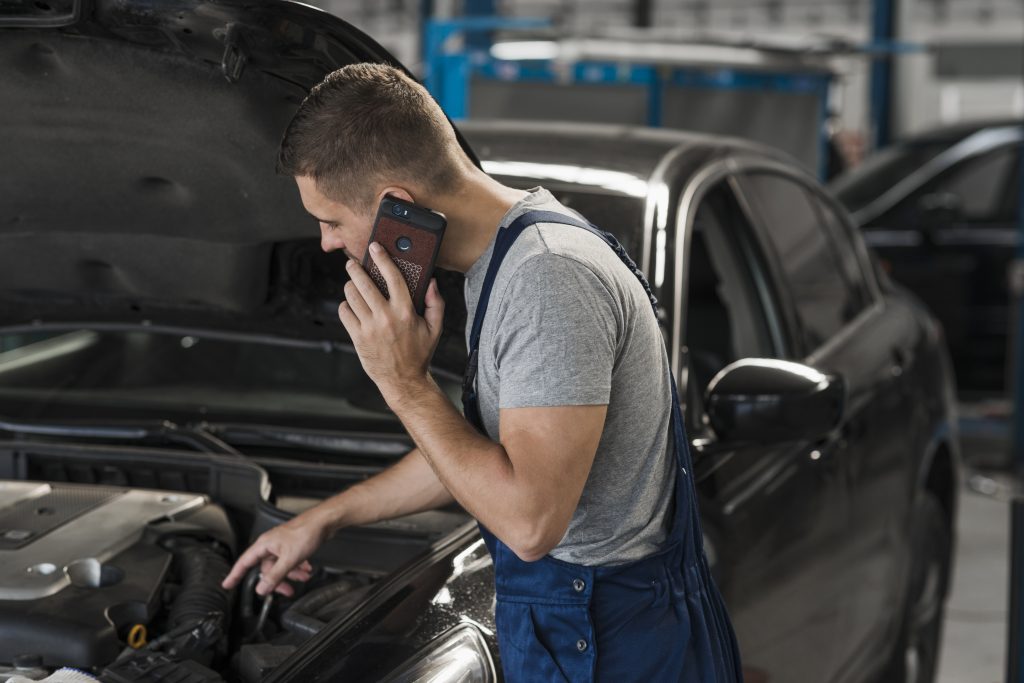
Your engine talks to you all the time. Most of the time it hums along quietly, and you stop noticing it. When something changes, a new tick, a new whine, a rumble that wasn’t there last week, that is your car telling you something has shifted. Plenty of drivers in Orlando turn the radio up and hope the sound goes away. Sometimes it does, but more often it gets louder, and a small repair turns into a large one.
This guide walks through the most common engine noises, what they usually point to, and which ones deserve a call to a mechanic right away.
Knocking or Pinging Under Load
A deep knock that gets louder as you accelerate is one of the sounds you should never wave off. A light, metallic pinging when you climb a ramp or pull away from a light can come from low quality fuel, carbon buildup, or timing that has drifted out of range. A heavier knock from deep inside the engine can mean worn rod bearings, which is a serious problem.
If the sound is a faint ping that shows up once in a while, a fuel change and an inspection are usually a good first step. If it is a heavy, rhythmic knock that follows engine speed, stop driving the car. Running an engine with failing bearings can destroy it in a short time, and the repair bill grows with every mile.
Ticking or Tapping From the Top of the Engine
A steady ticking that speeds up as you rev the engine often comes from the valve train. The usual cause is low oil. Oil keeps the lifters and rocker arms moving smoothly, and when the level drops or the oil breaks down, those parts start to clatter.
Start with the simplest check. Pull the dipstick and look at the level and the color. If the oil is low, topping it off may quiet things down. If the oil is dark and sludgy, you are overdue for a change. A tick that stays after fresh oil can point to a stuck lifter or worn components, and that is worth having looked at soon.
A faster, lighter ticking can also come from an exhaust manifold leak. You tend to hear it most on a cold start, and it often fades as the metal warms and expands. It is not an emergency, but it should not be left for months.

Squealing or Chirping Up Front
A high pitched squeal when you start the car, or a chirp that comes and goes, usually traces back to the serpentine belt. This belt drives the alternator, the power steering pump, the water pump, and in many cars the air conditioning compressor. When it is worn, glazed, or loose, it slips and makes noise.
Orlando’s heat is hard on rubber. Belts dry out and crack faster here than in cooler places, and a belt that squeals only when the AC kicks on can be telling you the compressor is working harder than it should. We covered that connection in our article on why Orlando’s summer heat is hard on your car’s AC system, and it is worth a read if your squeal gets worse when the cabin cooling starts.
A belt that snaps while you are driving takes out your charging system and your power steering at the same time, and it can lead to overheating. If you hear squealing, have the belt inspected before it fails on the road.
Grinding When You Start the Engine
A harsh grinding sound for a second or two as you turn the key often points to the starter. The gear on the starter motor is not meshing cleanly with the flywheel, either because the starter is wearing out or because the teeth on the flywheel are damaged.
One grind on one cold morning might not mean much. A grind that repeats, or that comes with slow cranking, is a sign the starter is on its way out. Replacing a starter is a routine job. Waiting until it fails completely leaves you stuck, and that is a much worse way to find out. If your car has already started refusing to turn over, our guide to the top 10 reasons your car won’t start can help you narrow down what is going on.
Hissing From Under the Hood
Hissing usually means something is escaping that should be staying put. The most common culprits are a vacuum line that has cracked, a leaking gasket, or coolant spraying onto a hot surface. Coolant leaks often come with a sweet smell and a bit of steam from the front of the car.
A hiss that comes with a rising temperature gauge is urgent. Pull over somewhere safe, shut the engine off, and let it cool before you do anything else. Overheating can warp the cylinder head and lead to repairs that cost far more than the leak would have. Never open a hot radiator cap.
Rumbling, Rattling, or Loud Exhaust Tones
A new rumble or a car that suddenly sounds like it has a hole in the exhaust usually does. Rust, road debris, and age all take their toll on mufflers, pipes, and catalytic converters. A rattle from underneath that sounds like loose metal can be a heat shield that has come free, which is an easy fix, or a catalytic converter that has broken apart inside, which is not.
Exhaust leaks are not just noisy. They can let fumes into the cabin, and a failing converter will hurt your fuel economy and can cause a failed emissions check. Treat a changed exhaust note as something to inspect, not something to get used to.
When to Stop Driving Immediately
Some noises can wait a day or two for an appointment. Others cannot. Stop driving and call for help if you hear a heavy knock, if a noise comes with smoke, a burning smell, or a temperature gauge climbing into the red, or if the oil pressure light comes on. Continuing to drive in those situations is how repairable problems become engine replacements.
Why a Mobile Mechanic Makes Sense for Noise Diagnosis
Noises are tricky to chase at a shop. The sound that bothered you on your commute can disappear the moment the car is parked in a bay. A mobile mechanic comes to you, so the car is already at home or at work, and the technician can listen to it where the problem actually shows up. For many noise related repairs, such as belts, spark plugs, and starters, the work can be done on the spot without towing the car anywhere.
Don’t Wait for the Sound to Get Louder
Engines rarely fix themselves. A noise that is small today is almost always a smaller bill than the same noise a month from now. If your car is making a sound it did not make before, we are happy to take a look.
Visit our homepage to see the services we offer across the Orlando area, or use our contact us page to schedule a visit. We will come to your driveway, your office, or wherever the car is parked, listen to what it is telling you, and get you back on the road with confidence.